
Top 10 Fitness Apps for Athletes in 2025

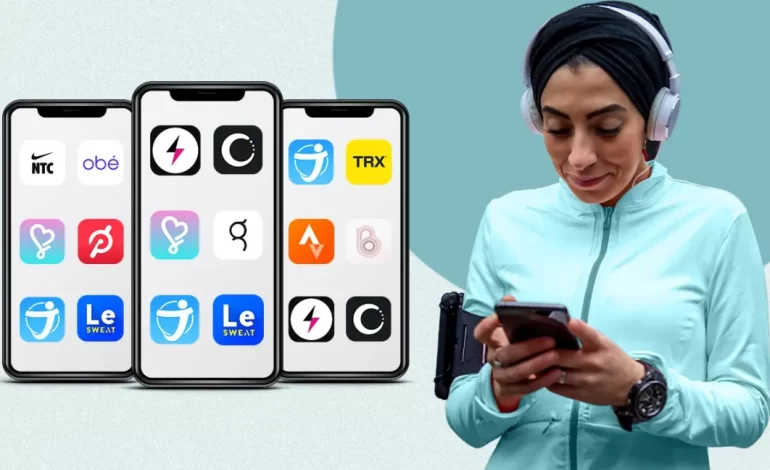
Athletes in 2025 rely on more than just physical training; technology has become a powerful partner in performance optimization. Fitness apps now provide real-time data, personalized coaching, and AI-driven analytics that help athletes improve endurance, strength, and recovery. From tracking progress to guiding nutrition and preventing injuries, the right app can transform how athletes train and compete. With so many choices available, this article highlights the top 10 fitness apps for athletes in 2025, each designed to maximize efficiency and results.
1. Strava Pro – The Ultimate Performance Tracker
Strava has long been a favorite among runners and cyclists, and in 2025 its Pro version takes performance tracking to the next level. With AI-enhanced analytics, Strava Pro provides athletes with detailed breakdowns of pace, power, and recovery needs. It integrates with wearable devices to create customized training plans, making it indispensable for endurance athletes who thrive on data-driven insights.
2. Nike Training Club+ – Guided Workouts and Coaching
Nike Training Club+ continues to dominate as a go-to app for structured training. Offering thousands of workouts across strength, mobility, and conditioning, the app now uses AI to tailor sessions to athletes’ progress and goals. In 2025, its integration with smart gym equipment allows for real-time adjustments to workout intensity. For athletes seeking guided sessions with professional coaching, this app remains one of the best.
3. MyFitnessPal Elite – Nutrition and Performance Balance
Fueling the body is just as important as training it. MyFitnessPal Elite in 2025 offers advanced nutritional tracking with AI-driven recommendations that adapt to training loads. Athletes can log meals through image recognition, and the app adjusts macronutrient targets based on recovery needs. By bridging the gap between diet and performance, it ensures athletes maintain optimal energy levels for training and competition.
4. Garmin Connect+ – Precision for Wearable Users
For athletes using Garmin devices, Garmin Connect+ is a powerhouse. In 2025, it integrates biometric data like heart rate variability, oxygen saturation, and sleep tracking to provide holistic performance insights. Its AI features suggest daily workout intensities and rest periods, helping athletes avoid overtraining. With seamless syncing across multiple devices, it is especially valued by endurance athletes and triathletes.
5. Fitbod AI – Smarter Strength Training
Fitbod AI has become the preferred app for athletes focused on building strength. By analyzing past workouts, available equipment, and recovery data, it generates customized strength-training programs. In 2025, its machine learning models are even more adaptive, ensuring athletes continue to progress without plateauing. It is an excellent tool for balancing strength with other aspects of athletic performance.
6. Whoop 5.0 App – Recovery at the Core
The Whoop app, paired with its wearable, emphasizes recovery as the foundation of performance. The 2025 version analyzes strain, sleep, and recovery to provide athletes with readiness scores that dictate training intensity. By focusing on recovery, it helps athletes avoid burnout and optimize long-term progress. For professionals and serious competitors, Whoop has become an essential part of daily routines.
7. Freeletics Pro – AI Personal Training Anywhere
Freeletics has evolved into a full AI-powered personal trainer. In 2025, Freeletics Pro adapts workouts dynamically in real time, based on feedback from the athlete’s wearable devices. Whether training at home, in the gym, or outdoors, the app provides challenging yet achievable routines. Its focus on bodyweight exercises and mobility also makes it a favorite for athletes who want flexibility without needing extensive equipment.
8. TrainingPeaks+ – Perfect for Competitive Athletes
TrainingPeaks+ is designed for serious athletes training for competitions. In 2025, it offers AI-powered planning tools that align training cycles with specific event dates. Coaches can monitor athletes’ progress remotely and adjust plans on the go. Its detailed analytics of power output, heart rate, and recovery make it ideal for triathletes, marathon runners, and cyclists.
9. Centr by Chris Hemsworth – Fitness Meets Lifestyle
Centr has grown from a celebrity-driven app into a comprehensive lifestyle platform. In 2025, it provides athletes with strength and conditioning plans, mindfulness sessions, and nutritional guidance. Its holistic approach to fitness emphasizes not only performance but also mental well-being, making it a standout option for athletes who value balance in their routines.
10. Zwift 2025 – Virtual Training Revolutionized
Zwift has transformed indoor training into a global community experience. By combining virtual environments with cycling and running workouts, it creates engaging, gamified sessions. In 2025, Zwift offers AI-generated race simulations and real-time coaching feedback, keeping athletes motivated and competitive. For those training indoors, Zwift makes workouts as thrilling as real-world events.
Frequently Asked Questions
Q1. Which fitness app is best for runners and cyclists?
Answer. Strava Pro and Zwift stand out for runners and cyclists, with Strava offering advanced analytics and Zwift creating immersive indoor training experiences.
Q2. Do fitness apps replace coaches?
Answer. Not entirely. While AI-driven apps provide guidance and structure, many athletes still benefit from human coaches who can offer personalized strategies and motivation.
Q3. Can these apps track nutrition as well as workouts?
Answer. Yes. MyFitnessPal Elite and Centr include robust nutritional features, ensuring athletes maintain the right balance of fuel for training and recovery.
Q4. Are fitness apps worth paying for in 2025?
Answer. Absolutely. Premium versions provide AI-driven customization, detailed analytics, and integration with wearables, offering far more value than basic free features.
Q5. Which app is best for recovery?
Answer. The Whoop 5.0 app focuses specifically on recovery, giving athletes actionable insights to improve rest and prevent overtraining.
Conclusion
The top 10 fitness apps for athletes in 2025 demonstrate how technology continues to redefine performance and training. From Strava Pro’s advanced tracking to Nike Training Club+’s guided workouts and MyFitnessPal Elite’s nutrition balance, these platforms provide comprehensive support for athletes of all levels. Apps like Whoop and Garmin Connect+ highlight the growing importance of recovery, while Freeletics and Fitbod AI offer personalized coaching for strength and conditioning.
For competitive athletes, TrainingPeaks+ and Zwift provide structured programs and engaging simulations that mimic real-world challenges. Centr, with its holistic focus on body and mind, ensures athletes maintain balance while striving for peak performance.
In 2025, fitness apps are more than tools—they are companions that guide, motivate, and empower athletes to train smarter and achieve their goals. Choosing the right app depends on your sport, goals, and lifestyle, but each of these ten stands out as a trusted partner on the journey to athletic excellence.