Top 10 Benefits of Online Learning in 2025

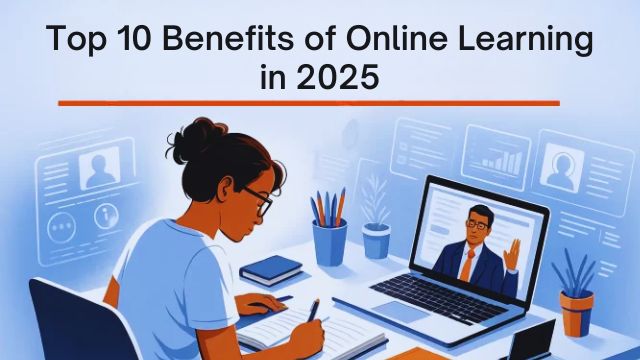
Education has undergone a major transformation over the last decade, and in 2025, online learning has cemented itself as a mainstream option for students and professionals alike. What was once considered a supplementary method has evolved into a flexible, technology-driven, and globally accessible system of education. From interactive platforms powered by artificial intelligence to virtual classrooms that mimic in-person engagement, the advantages of online learning are more evident than ever. This article explores the top 10 benefits of online learning in 2025, showing why it has become the go-to choice for millions of learners worldwide.
Flexibility and Convenience
One of the most significant advantages of online learning in 2025 is the flexibility it offers. Learners can access courses from anywhere in the world and set their own schedules, which is especially beneficial for working professionals, parents, and students with diverse commitments. Unlike traditional classrooms that require fixed attendance, online platforms allow people to study at their own pace, whether early in the morning or late at night. This flexibility has made higher education and professional certifications more accessible to a broader audience.
1. Global Access to Quality Education
Online learning has broken down geographical barriers. A student in Africa can now enroll in a university course in Europe without ever leaving their hometown. Institutions worldwide are offering accredited programs online, providing access to world-class faculty and resources that were once restricted to those able to attend in person. This global reach democratizes education, creating opportunities for learners in underserved regions to receive the same level of instruction as those in major cities.
2. Cost-Effectiveness
Another key benefit is affordability. Traditional education often comes with expenses such as commuting, accommodation, and physical learning materials. In 2025, many online platforms offer affordable subscription models, pay-as-you-go structures, or even free access to foundational courses. This cost-effectiveness makes education more attainable for students and professionals who might otherwise struggle with the financial burden of traditional schooling.
3. Personalized Learning Paths
Artificial intelligence plays a vital role in shaping education in 2025. Online platforms now use AI-driven algorithms to analyze learner progress, strengths, and weaknesses. This information creates personalized learning paths, ensuring that each student gets the right balance of challenge and support. Instead of a one-size-fits-all curriculum, learners receive tailored recommendations that keep them engaged and motivated. This personalization accelerates learning outcomes and makes education far more effective.
4. Diverse Course Options
Online learning platforms provide a wide variety of subjects, from coding and engineering to creative writing, languages, and even wellness programs. Universities, private institutions, and independent educators are all contributing to a global knowledge hub. The sheer diversity of options in 2025 allows learners to explore interests outside of their main field, acquire cross-disciplinary skills, and even pivot careers without committing to long-term traditional programs.
5. Career Advancement Opportunities
For professionals, online learning has become an essential tool for career growth. Micro-credentials, certifications, and specialized training programs are widely recognized by employers. Platforms offering short, intensive courses on emerging fields such as artificial intelligence, renewable energy, or cybersecurity enable workers to stay competitive in fast-changing industries. By balancing work with flexible study schedules, professionals can enhance their skills without sacrificing career momentum.
6. Interactive and Engaging Learning Tools
Gone are the days when online education meant staring at static slides. In 2025, platforms use immersive technologies such as virtual reality classrooms, interactive simulations, and gamified assessments. These tools make learning engaging and practical, bridging the gap between theory and real-world application. For instance, medical students can now perform virtual dissections, while business students can participate in AI-driven case studies that mimic real market conditions.
7. Improved Collaboration and Networking
Contrary to the belief that online learning is isolating, modern platforms have transformed how students connect. Discussion boards, group projects, and real-time video sessions allow learners to collaborate across borders. Networking opportunities are stronger than ever, with students building global communities of peers, mentors, and industry professionals. This international exposure enriches the learning process and prepares students for careers in an increasingly interconnected world.
8. Accessibility for All Learners
Online learning in 2025 has prioritized inclusivity. Platforms now integrate accessibility features such as screen readers, voice-to-text tools, and multilingual captions, ensuring that students with disabilities or language barriers can participate fully. These improvements not only benefit learners with specific needs but also enhance the overall learning experience for everyone. Inclusivity has become a cornerstone of online education, making it a more equitable system.
9. Lifelong Learning Culture
Perhaps the most transformative benefit of online education in 2025 is the promotion of lifelong learning. Education is no longer confined to school years or college degrees. People now see learning as a continuous journey, with opportunities to acquire new skills at any stage of life. Whether it is a retiree picking up photography, a professional mastering AI tools, or a teenager exploring entrepreneurship, online platforms encourage and enable continuous personal growth.
Frequently Asked Questions
Q1. Is online learning as effective as in-person education?
Answer. Yes. With advancements in AI, interactive tools, and real-time collaboration, online learning in 2025 has proven to be equally effective, if not more so, than traditional classrooms.
Q2. Are online degrees recognized by employers?
Answer. Most accredited online programs are fully recognized by employers. Certifications from reputable platforms and universities carry significant value in hiring and promotions.
Q3. How much does online learning typically cost in 2025?
Answer. Costs vary widely, but many platforms offer affordable subscription models, and some universities provide online programs at lower tuition rates compared to on-campus courses.
Q4. Can online learning support practical skills?
Answer. Absolutely. Virtual simulations, project-based learning, and interactive labs now replicate practical experiences, making online education suitable for fields like healthcare, engineering, and business.
Q5. Is online learning accessible to people with disabilities?
Answer. Yes. Modern platforms include advanced accessibility features that ensure inclusivity for learners with diverse needs, making online education one of the most inclusive forms of learning today.
Conclusion
Online learning in 2025 is no longer just an alternative to traditional education; it is a fully realized, globally embraced model that empowers students and professionals alike. Its flexibility, affordability, and accessibility make it one of the most impactful shifts in modern education. With personalized learning, interactive tools, and global networking opportunities, learners are better prepared for the demands of the 21st century.
Whether you are a student exploring new fields, a professional looking to advance your career, or someone simply eager to keep learning, the top 10 benefits of online learning in 2025 show that this approach has something valuable for everyone. The future of education is not limited by walls — it is online, accessible, and evolving with us.